
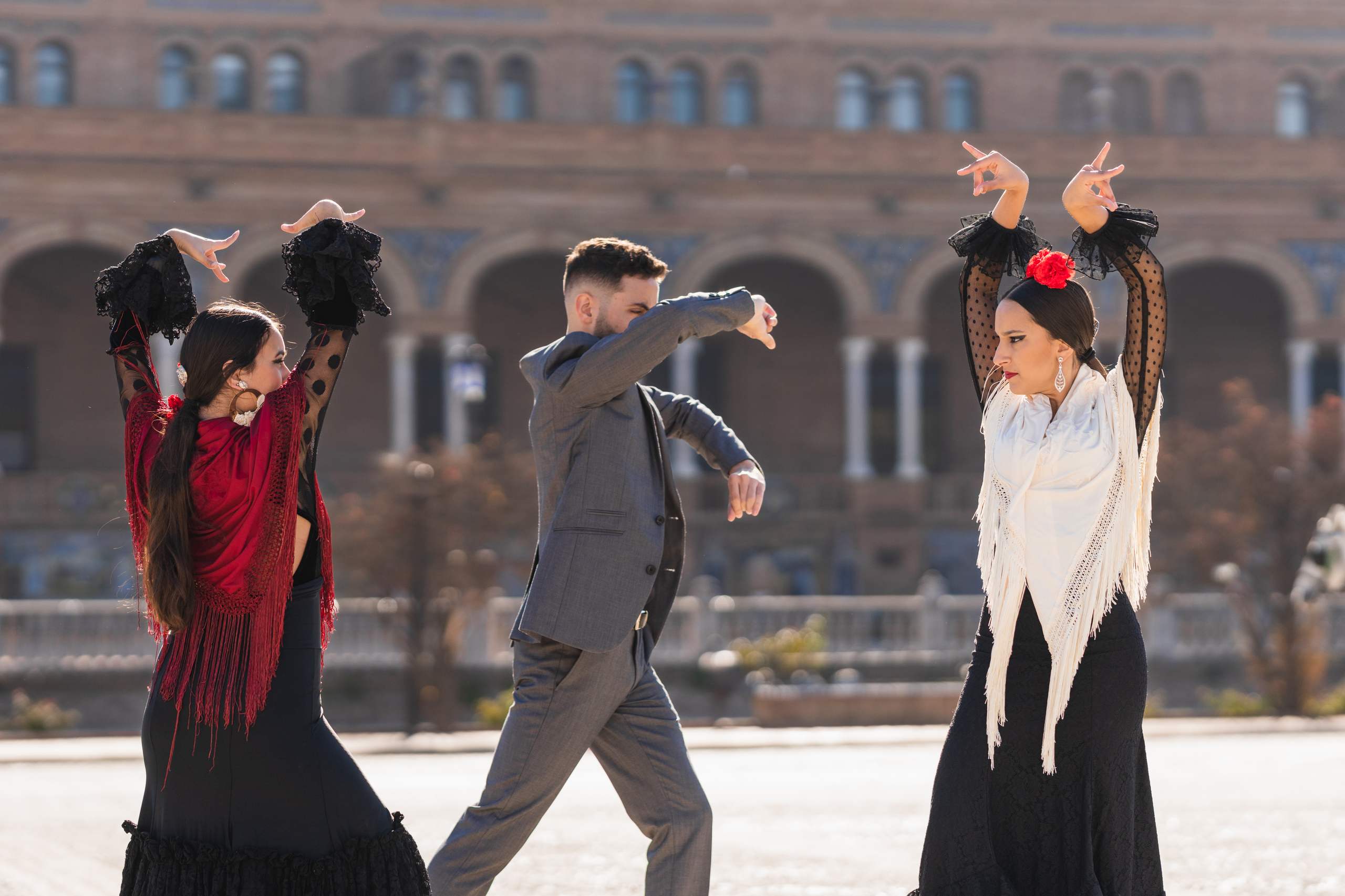
Every cultural event you ever experience, a festival, an exhibition, a public performance, and so on, has a lifecycle. On the outside it appears that it all just happens naturally, like breathing, but there is, in fact, always a behind-the-scenes story of process, management, and decision making.
Generation of an Idea
An idea is always what generates a concept for a cultural event. The idea might relate to some cultural, social, and temporal theme or it might be inspired by the personal idea of the artist/artist collective.
This is the time when the concept is open to change, when the organizers define the content, the target audience and the format to be followed. It is precisely the time that the project is being developed.
Development of an Idea
The organizers, having the concept, need to put it into practice. Therefore, it’s the time when the event starts to be prepared.
The format and scope is being chosen, the preparation period is defined, the place for the event is selected (the platforms), the program is developed, and so on.
Collaboration
The organization of the cultural event involves the collaboration of different people, groups, companies, and so on: artists, technicians, cultural curators, designers, sponsors, project coordinators, and many others.
It is not only the time when the event takes form, but also when you put them all together and make them function. It is a time when you need to be organized, because it is the time when everything needs to work smoothly.
Production
Production time is when everything starts happening in a live environment and things get out of the paper. Sometimes things happen that you could never predict and you need to be prepared.
You might need to change the schedule, fix some details, resolve a technical problem, find an extra space, and make other quick decisions.
The Final Product
From the point of view of the audience, this is what they get. They just enjoy the event. They might not even realize the effort it takes for it to exist.
It is the product that comes out of the effort and work of all the people involved in the project and the organization of the event, which together form one single, seamless experience.
In conclusion, a cultural event is more than a mere occasion; it is a series of actions in which creativity meets the organizing of a project. You could say that cultural organization has a lot to do with modern culture.