
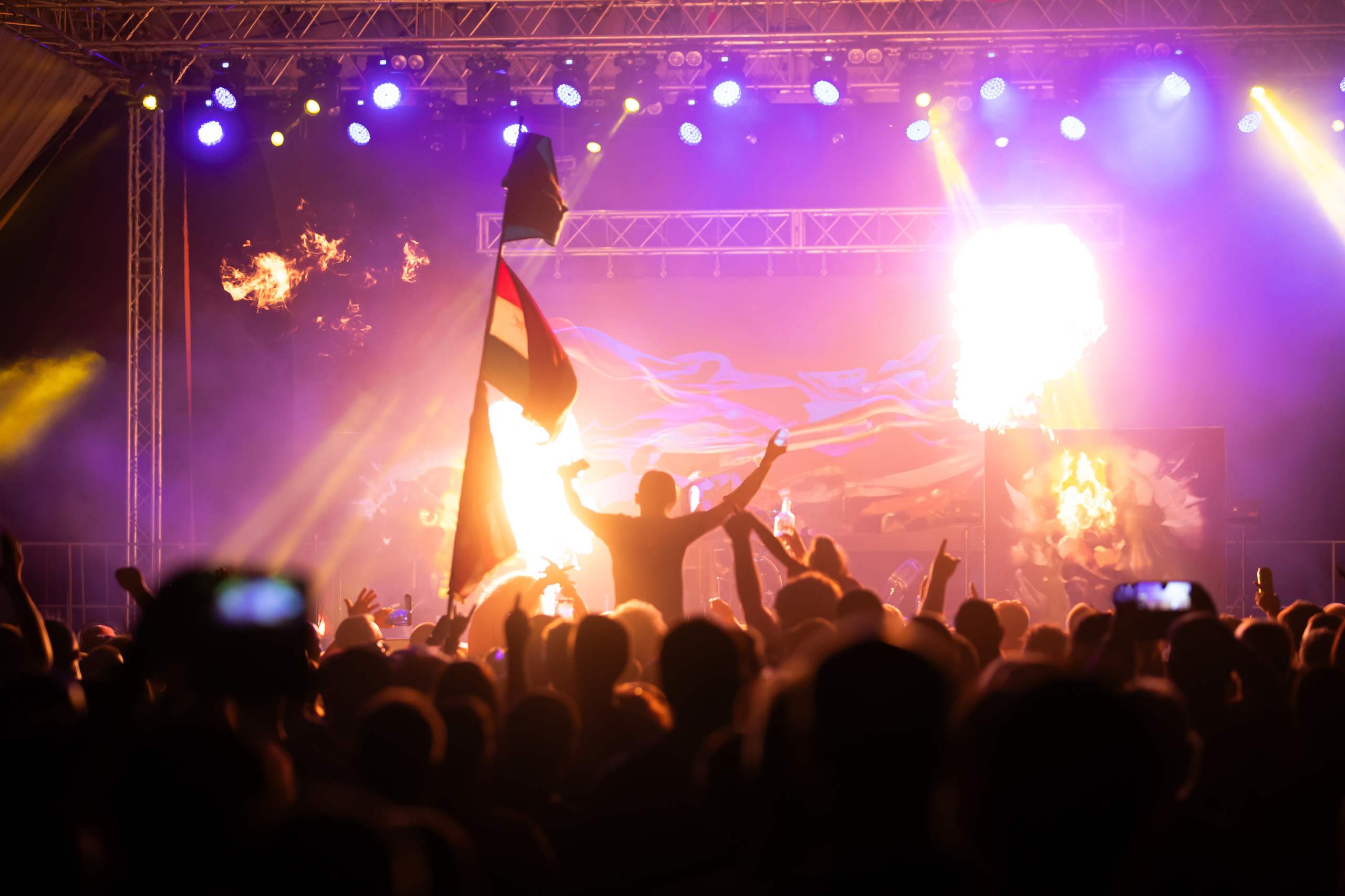
When someone participates in a cultural event, they see the end result: the event ambiance, performances, set design, etc. What they don’t know is the systematic process that organises this entire thing. Cultural events do not happen by themselves; they are structured systems, created by groups of professionals.
Everything Begins With an Idea
First and foremost, a cultural event needs a concept. The concept is the idea, theme, statement, season, or aesthetic that guides the event. At this stage, the idea is still in its raw, conceptual form.
This is where the event’s initial task comes in: to take the abstract and turn it into a concrete concept by describing it with terms that define who it’s for, why it exists, and the feeling it’s meant to conjure. A project without a concept is aimless.
Designing the Event Framework
With the concept in hand, we can start planning the event’s structure:
- Format (festival, art show, live event, digital or hybrid)
- Scheduling and timing
- Venue or platform
- Events and activities schedule
This is the intersection of creativity and logistics. Even the fanciest idea cannot be realised without a framework.
Managing Diverse Groups of People
A cultural event is the result of various individuals working together. There are artists, technicians, curators, sponsors, vendors, and PR specialists. All these groups of people require coordination.
An event manager makes sure that everyone knows who they are, that everyone has a schedule that works for them, and that everyone is talking the same language. Everything must be understood, and every deadline must be respected. If a miscommunication happens, the consequences can be devastating.
Implementation and Crisis Management
An event’s design is good and ready to go. Yet no event planning is ever perfect; unexpected things are bound to happen, from a tech breakdown or a delayed schedule to a last-minute schedule adjustment.
The most successful event managers don’t panic when things go wrong. They make changes on the fly and stay flexible without losing sight of the goal.
The Audience Experience
Ultimately, the audience is at the heart of a cultural event. Every single element of the event, from lighting to sound, to pacing and venue design, is aimed at creating a unique audience experience.
A truly great event doesn’t just inform or entertain. It inspires emotional connection, thought, and recollection.
Final Thoughts
While cultural events may appear to be simple and seamless, they are actually the result of thoughtful planning, collaboration, and strategic innovation. Taking a look at this process shows us how much goes into creating a single experience of a cultural event and how much we rely on skilled professionals to transform ideas into reality.